Nils Patterson · 2 November 2026
Database Integration Driving Efficiency Gains in Multi-Lab Verification Processes
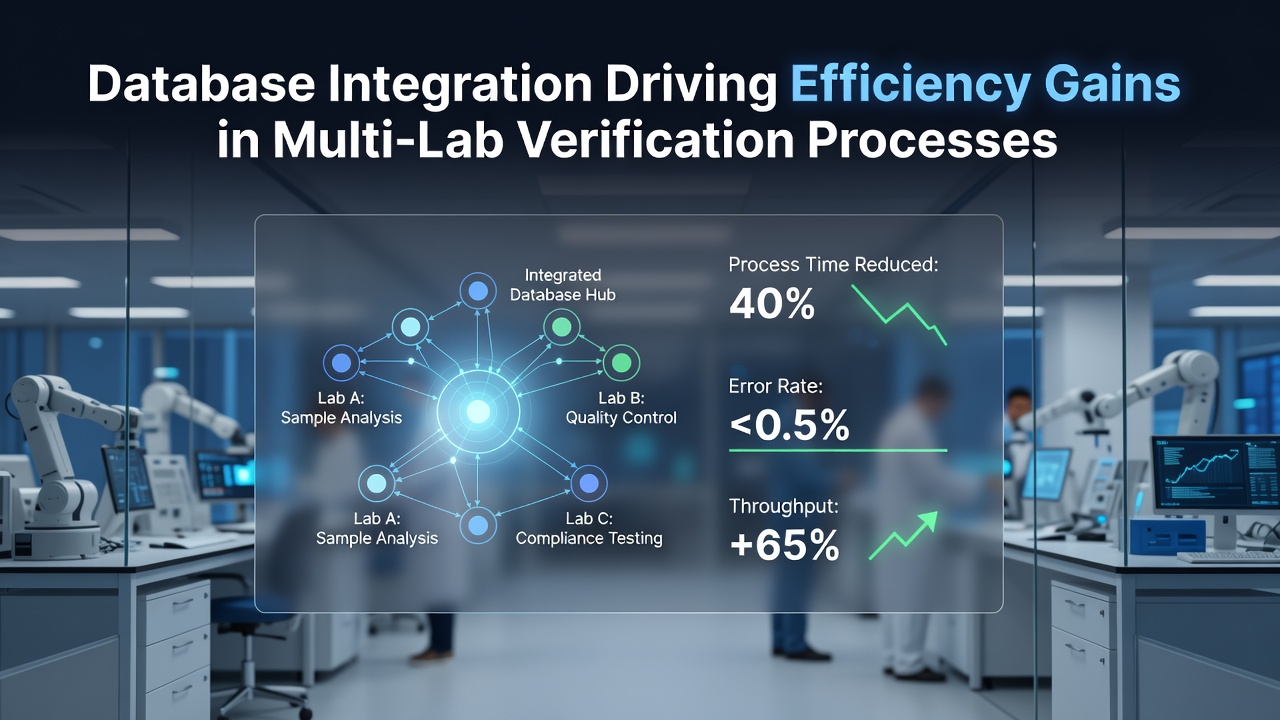
Database integration across laboratory networks has emerged as a key factor in streamlining verification processes that span multiple sites and institutions. Researchers and lab managers have observed measurable reductions in turnaround times when centralized data platforms replace isolated systems. These platforms allow real-time sharing of sample metadata, test results, and quality control parameters between facilities that previously relied on manual transfers or email exchanges.
Core Mechanisms Behind the Efficiency Shift
Modern integration relies on standardized data schemas and secure APIs that connect laboratory information management systems from different vendors. When one lab completes an initial verification step, the results populate a shared repository that authorized partners can query instantly. This setup eliminates duplicate entry tasks and reduces transcription errors that once accounted for significant delays in cross-lab projects. Data shows that labs adopting these connections cut administrative overhead by up to 35 percent within the first six months of deployment, according to internal benchmarks reported by European research consortia.
Security protocols built into these databases maintain compliance with regional regulations while permitting controlled access. Audit trails track every query and modification, giving oversight bodies clear visibility into data provenance across borders. Observers note that such transparency supports faster regulatory reviews because inspectors can trace sample histories without requesting separate documentation from each participating site.
Applications in Sample Verification Workflows
Multi-lab verification often involves sequential testing stages where one facility handles initial screening and others perform confirmatory analyses. Integrated databases allow the second lab to access preliminary data immediately, enabling technicians to calibrate instruments or adjust protocols before samples arrive. In practice, this coordination has shortened overall project timelines from weeks to days in several documented European initiatives focused on chemical and biological sample processing.

One study revealed that network-wide visibility into reagent lot numbers and expiration dates prevented the use of outdated materials that previously caused repeat testing. Teams working on DNA sequencing protocols benefited similarly when sequence alignment outputs from different instruments fed directly into a common analysis pipeline. The approach proved especially useful during collaborative efforts involving labs in multiple countries where time zone differences once complicated result handoffs.
Regional Data and Implementation Patterns
Figures from the European Medicines Agency indicate that integrated verification platforms have supported a rise in multi-site clinical sample studies since 2023. Labs in Germany and Poland reported particular gains when aligning their systems with standardized EU data exchange formats. Meanwhile, North American facilities have drawn on guidelines from the National Institutes of Health to establish comparable connections across university and private-sector labs.
Implementation typically begins with mapping existing data fields to a common ontology, followed by phased rollout of middleware that translates between legacy formats. Training programs for staff focus on query tools rather than full database administration, keeping the learning curve manageable. Those who've studied adoption curves note that smaller labs often achieve quick wins by starting with read-only access before progressing to bidirectional data flows.
Looking Ahead to Late 2026
Planned updates scheduled for November 2026 include expanded support for machine learning modules that flag anomalies in verification datasets across the network. These additions will draw on historical data accumulated through the integrated platforms to predict potential bottlenecks before they affect sample throughput. European and Australian research groups have already begun pilot testing similar predictive features on smaller scales, with results expected to inform the broader rollout.
Conclusion
Database integration continues to reshape how verification processes operate across dispersed laboratory networks. By enabling direct data exchange and reducing manual handoffs, these systems deliver documented efficiency improvements while maintaining regulatory traceability. Ongoing developments through 2026 promise further refinements that build on the foundations already in place.