Xander Schwarz · 21 September 2026
Exploring Grant-Supported Advances in High-Speed Sample Processing Across European Lab Networks
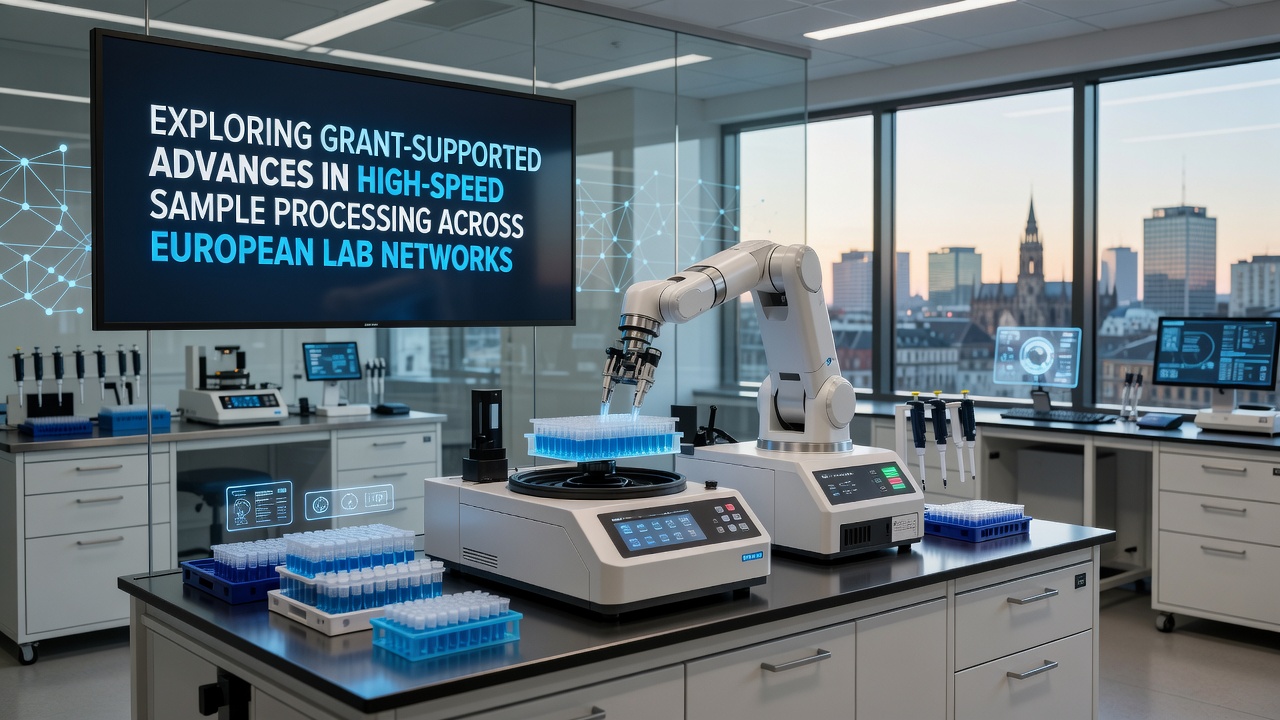
European research networks have expanded their use of grant funding to accelerate sample processing techniques, with programs under Horizon Europe directing resources toward automation platforms that reduce turnaround times in molecular and chemical analysis workflows. These initiatives connect laboratories across multiple countries through shared protocols and standardized data exchange systems, allowing teams in Germany, France, and Poland to coordinate on projects that process thousands of specimens daily without compromising accuracy.
Funding Mechanisms Driving Network-Wide Upgrades
Horizon Europe allocations have supported the deployment of robotic liquid handlers and integrated microfluidic chips in facilities that previously relied on manual pipetting methods, and researchers note measurable gains in throughput when these systems operate in parallel across partner sites. Data from the European Commission research portal shows that collaborative calls launched between 2023 and 2025 prioritized high-speed processing modules capable of handling variable sample volumes, which in turn enabled smaller labs to participate in large-scale studies without investing in standalone infrastructure.
Network participants often combine these tools with real-time monitoring software that flags anomalies during runs, so operators can adjust parameters mid-process rather than restarting entire batches. This approach has proven especially useful in multi-site trials where consistency across borders remains essential for regulatory compliance and publication standards.
Technical Components in Current Deployments
High-speed systems now incorporate centrifugal microfluidic cartridges that separate and analyze components in under five minutes per batch, while conveyor-linked robotic arms transfer plates between stations without human intervention. Observers note that these setups draw on earlier pilot programs but scale more effectively because grant conditions require open-source control code and shared calibration standards among all recipients.
One project spanning labs in Sweden and the Netherlands integrated acoustic droplet ejection technology with existing mass spectrometers, cutting sample preparation steps from twelve to four in several assay types. The same network reported that error rates dropped when standardized scripts replaced site-specific protocols, allowing direct comparison of results generated hundreds of kilometers apart.
Cross-Border Data Sharing and Standardization
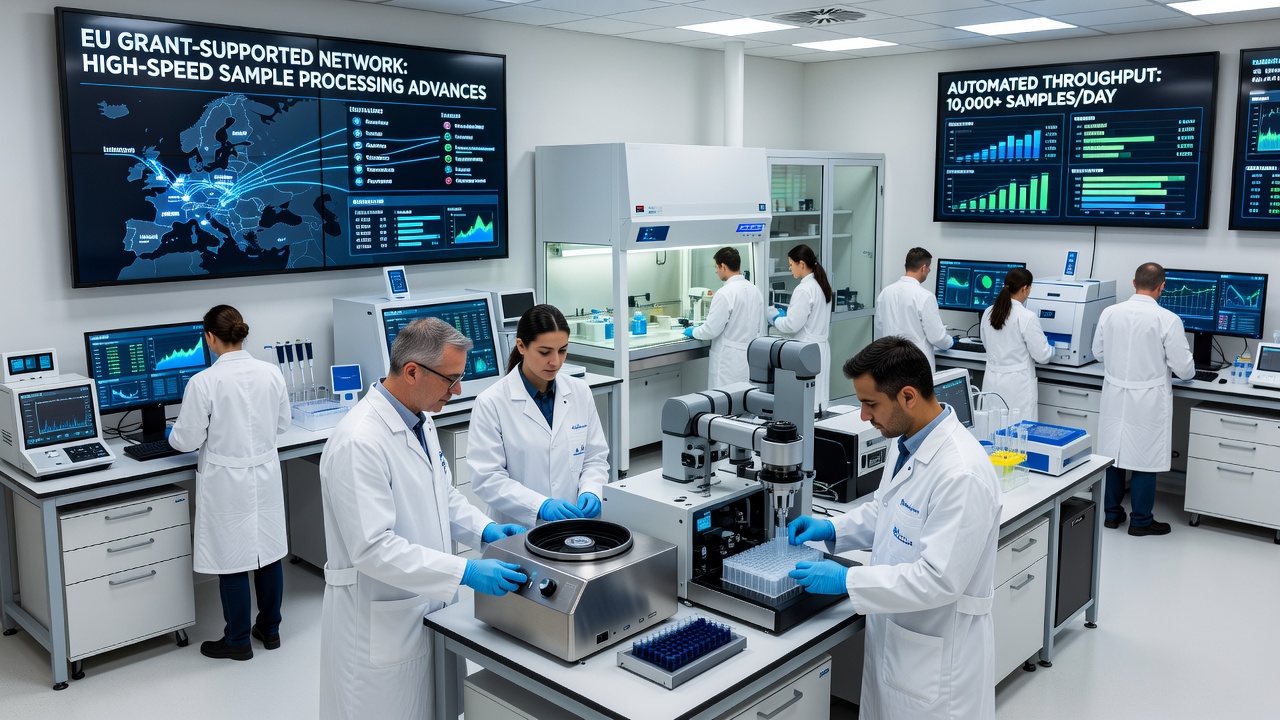
European lab networks funded through these grants maintain centralized repositories that log processing parameters alongside raw outputs, which helps teams trace any deviations back to specific equipment or reagent lots. This infrastructure supports joint publications and meets requirements set by funding bodies that emphasize reproducibility across independent sites.
Researchers at the European Molecular Biology Laboratory have contributed validation frameworks that participating groups adapt for their own instrumentation, ensuring that speed gains do not introduce systematic biases. Regular inter-lab audits verify that calibration curves remain aligned even when different hardware generations run side by side.
September 2026 Milestones on the Horizon
Planning documents indicate that several networks will unveil upgraded processing lines during a coordinated event scheduled for September 2026, where live demonstrations will showcase new chip designs capable of handling sub-microliter volumes at rates exceeding previous benchmarks. These rollouts follow phased testing periods that began in 2025 and incorporate feedback collected from earlier grant cycles.
Additional modules expected online by that date include AI-assisted scheduling software that balances workloads across time zones, allowing overnight runs in one country to feed directly into daytime analysis sessions elsewhere. Funding guidelines already specify that performance metrics from the 2026 phase will inform the next round of calls, closing the loop between results and future allocations.
Conclusion
Grant-supported efforts continue to reshape how European laboratories manage high-volume sample workflows through coordinated investment in automation and shared standards. The September 2026 demonstrations will mark one checkpoint in an ongoing process that links technical upgrades to measurable improvements in speed and consistency across borders.