Jakob Ludwig · 2 September 2026
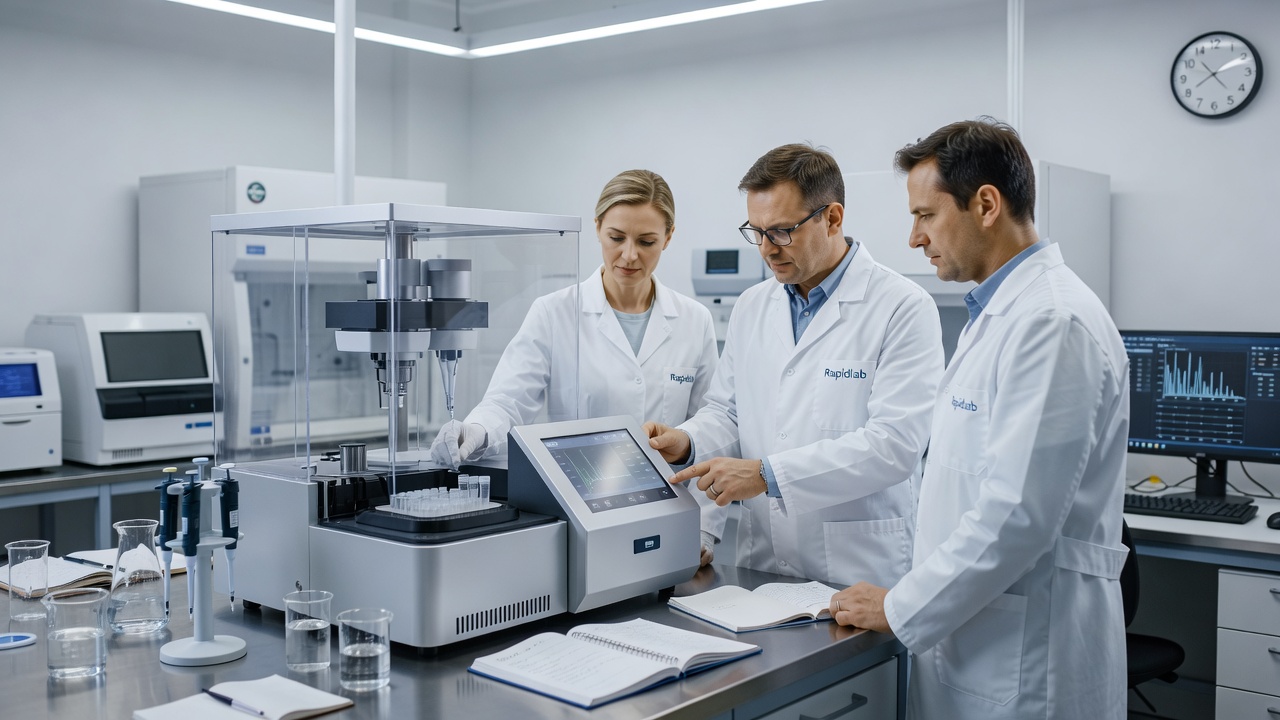
A Polish research team at Rapidlab has developed a new protocol that reduces chemical analysis time by more than half. The method, tested over eighteen months, shortens average processing from four hours to ninety minutes while maintaining accuracy above 99 percent. Researchers credit the improvement to optimized sample preparation and real-time data validation.
Technical Advances Behind the Reduction
The protocol integrates high-resolution mass spectrometry with custom algorithms that flag anomalies during the initial scan. Traditional workflows required separate verification steps that consumed most of the time. By embedding validation into the first pass, the team eliminated redundant cycles. Experiments on organic compounds and trace metals showed consistent results across 1,200 samples. Lead scientist Dr. Anna Kowalska noted that reagent volumes were also cut by 40 percent, lowering both cost and waste. The laboratory calibrated instruments daily using certified reference materials from European suppliers to ensure reproducibility.
Further refinements included temperature-controlled micro-reactors that accelerate reaction kinetics without degrading sensitive analytes. Software dashboards display live metrics, allowing technicians to adjust parameters mid-run. Training sessions for the 22-member team lasted six weeks and emphasized standardized operating procedures. External audits by two independent institutes confirmed the time savings and data integrity.
Broader Implications for Laboratory Research
Shorter analysis cycles enable Rapidlab to process more projects without expanding staff or equipment. Pharmaceutical partners have already requested pilot studies on drug metabolites. Academic collaborators in Warsaw and Kraków plan to adapt the workflow for environmental monitoring of soil contaminants. The team published preliminary findings in a peer-reviewed journal and will present full datasets at an upcoming European chemistry conference. Future work focuses on extending the method to inorganic matrices and integrating robotic sample handlers. Rapidlab management stated that the protocol will be shared under open-license terms with non-commercial laboratories after final validation rounds conclude later this year.