Nils Patterson · 2 September 2026
Rapid Laboratory Research, operating as Rapidlab, has developed a new protocol for DNA sequencing that reduces processing time significantly. The innovation comes after years of dedicated research into optimizing every step of the sequencing workflow. Early trials have shown promising results in both speed and reliability. The protocol features improved enzyme formulations that accelerate the amplification of DNA fragments. Computational models were employed to minimize errors during base calling. Laboratory tests demonstrated a reduction in sequencing duration by up to fifty percent compared to standard methods. This was accomplished while maintaining high fidelity in the output data. Researchers also addressed issues related to sample preparation by introducing automated handling systems. Such systems decrease human error and increase throughput in busy lab environments. The new approach has been validated using multiple sequencing platforms to ensure broad applicability. Data from these validations will be shared with the scientific community to encourage further developments in the field. With faster DNA sequencing, projects in medical diagnostics can progress more rapidly, leading to quicker patient outcomes. Agricultural science stands to gain from accelerated genetic selection processes for better crop varieties. Environmental studies involving microbial communities can now be conducted on larger scales due to time savings. Rapidlab continues to invest in related technologies to support these applications. Training programs are being prepared to disseminate the knowledge effectively. The overall contribution represents a step forward in making advanced genomic tools more accessible and efficient for researchers globally. The protocol is expected to be released in the coming months following additional peer reviews and regulatory approvals where necessary.
Technical Advancements Achieved
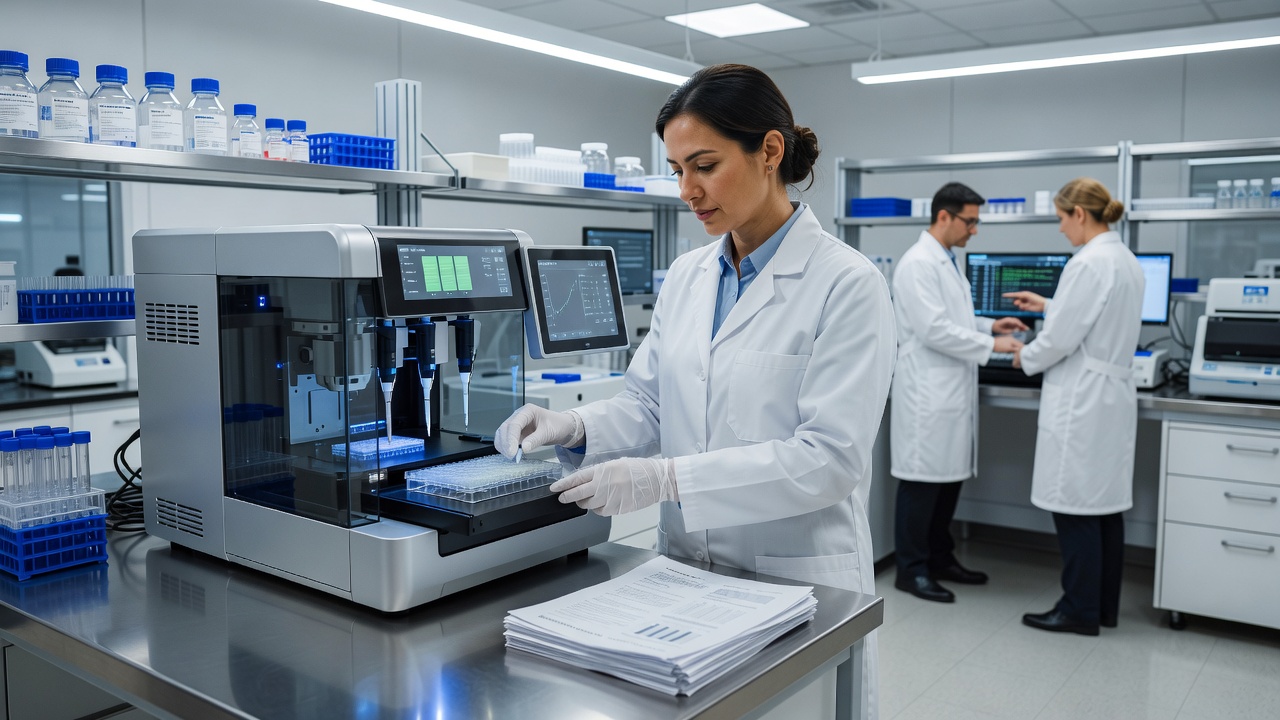
The protocol features improved enzyme formulations that accelerate the amplification of DNA fragments. Computational models were employed to minimize errors during base calling. Laboratory tests demonstrated a reduction in sequencing duration by up to fifty percent compared to standard methods. This was accomplished while maintaining high fidelity in the output data. Researchers also addressed issues related to sample preparation by introducing automated handling systems. Such systems decrease human error and increase throughput in busy lab environments. The new approach has been validated using multiple sequencing platforms to ensure broad applicability. Data from these validations will be shared with the scientific community to encourage further developments in the field.
Broader Implications for Research
With faster DNA sequencing, projects in medical diagnostics can progress more rapidly, leading to quicker patient outcomes. Agricultural science stands to gain from accelerated genetic selection processes for better crop varieties. Environmental studies involving microbial communities can now be conducted on larger scales due to time savings. Rapidlab continues to invest in related technologies to support these applications. Training programs are being prepared to disseminate the knowledge effectively. The overall contribution represents a step forward in making advanced genomic tools more accessible and efficient for researchers globally. The protocol is expected to be released in the coming months following additional peer reviews and regulatory approvals where necessary.