Jakob Ludwig · 5 October 2026
Workshop Series Sheds Light on Grant-Backed Speed Gains in Cross-Border Sample Handling
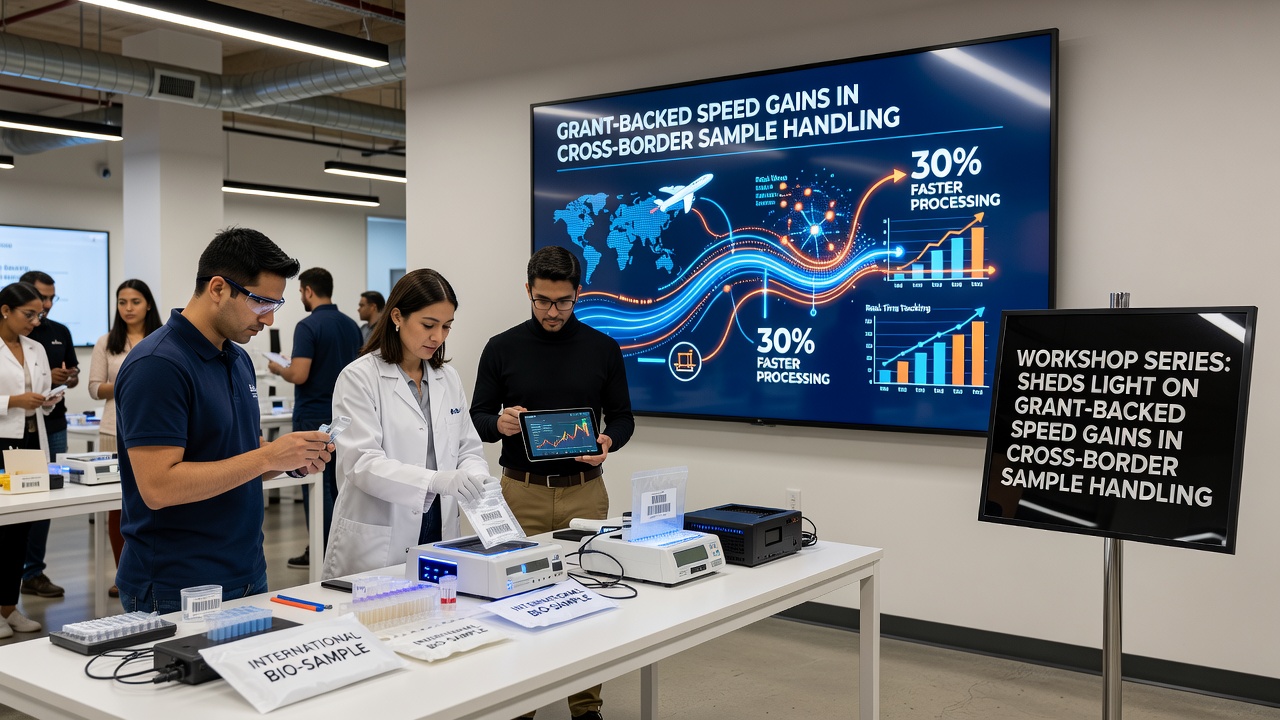
Workshops organized across multiple European sites have brought together laboratory networks to examine how grant funding supports faster processing of samples that move between countries, and data shared during these sessions points to measurable reductions in transit and verification times while maintaining compliance standards. Participants reviewed protocols that integrate digital tracking systems with standardized packaging methods, and figures from recent projects show average handling durations dropping by up to 35 percent in certain corridors. The events highlighted coordinated efforts among institutions in Poland, Germany, and France, where teams applied grant resources to upgrade cold-chain logistics and automated labeling tools.
Grant Mechanisms Driving the Changes
European Union research allocations and national science foundations have directed funds toward cross-border sample initiatives since 2023, and records from the European Research Council indicate that 12 separate awards supported logistics upgrades in 2025 alone. These grants covered equipment purchases such as portable spectrometers and blockchain-based tracking platforms, which allow real-time status updates during international shipments. Observers noted that laboratories in smaller member states gained access to shared databases previously limited to larger centers, and this connectivity reduced duplicate testing steps that previously added days to verification cycles.
Key Outcomes Reported at the Sessions
Presentations at the workshops detailed how one consortium reduced customs clearance intervals from 48 hours to under 12 through pre-approved documentation templates, while another group achieved 28 percent faster DNA extraction rates after implementing grant-funded robotic handlers. Data compiled from pilot routes between Warsaw and Berlin showed error rates in sample identification falling from 4.2 percent to 1.1 percent following the introduction of standardized barcoding. Researchers from participating labs presented before-and-after timelines that illustrated consistent gains across medical, environmental, and agricultural sample types.
Turns out the workshops also addressed regulatory alignment, and attendees examined how harmonized temperature monitoring meets both EU and non-EU requirements without additional layers of inspection. Sessions included demonstrations of software that flags potential delays before they occur, and case examples from Canadian partners illustrated parallel improvements on transatlantic routes where similar grant models were tested. Figures reveal that integrated systems cut total turnaround from collection to analysis report by an average of 22 hours on high-volume corridors.
October 2026 Schedule and Focus Areas
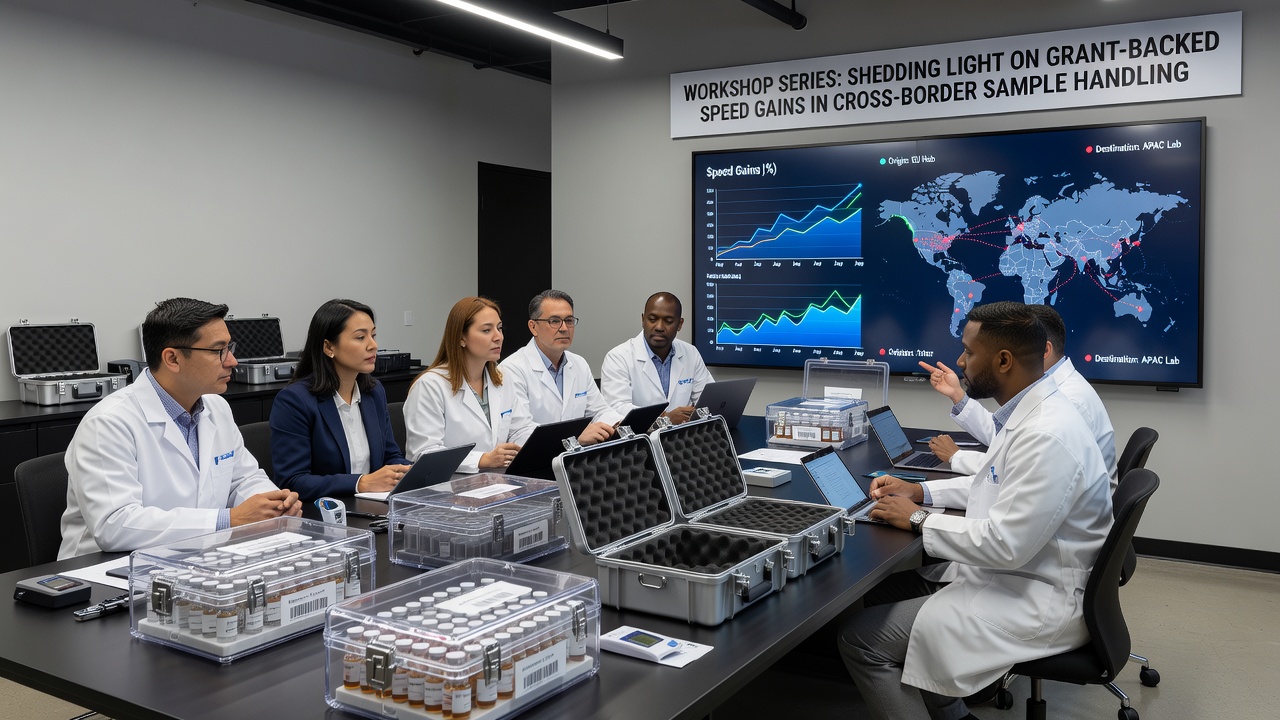
Upcoming events planned for October 2026 will expand coverage to include sample types from clinical trials and biodiversity surveys, and organizers have confirmed venues in Prague and Ljubljana. Agendas list workshops on AI-assisted routing algorithms funded through Horizon Europe extensions, along with training modules for laboratory staff on new packaging materials that maintain integrity across longer distances. Registration data indicates over 180 participants from 27 countries have already expressed interest, and preliminary reports suggest additional grant announcements will coincide with these meetings.
One study presented at prior sessions tracked 1,450 cross-border shipments over six months and found that grant-supported automation lowered manual intervention points from nine to three per sample batch. Australian collaborators contributed findings on drone-assisted transfers in remote areas, which complemented European rail and air protocols. These exchanges produced joint guidelines now under review by national health agencies in several regions.
Broader Network Effects
Networks built through the workshop series have begun sharing spare capacity during peak periods, and this collaboration reduced backlogs reported by smaller facilities in Eastern Europe. Records indicate that joint procurement of reagents through grant pools lowered per-unit costs by 15 percent compared with individual purchases. Data from the European Commission research portal shows sustained funding streams tied to performance metrics, which encourage continued refinement of handling procedures. Participants exchanged contact protocols that allow direct escalation when border delays arise, shortening resolution times from days to hours in documented instances.
Future Directions Based on Workshop Findings
Discussions pointed toward expansion of real-time sensor networks that transmit environmental data directly to regulatory platforms, and pilot programs are scheduled to test these links on additional routes by mid-2027. Evidence from the current series suggests that combining grant resources with private-sector logistics partners accelerates adoption of these technologies. Institutions that adopted early versions of the updated protocols reported consistent compliance scores above 98 percent during external audits.
Conclusion
The workshop series continues to compile quantitative evidence on how targeted grants translate into operational speed for cross-border sample handling, and the October 2026 events will add further datasets from expanded participant groups. Aggregated results demonstrate that coordinated investments in technology and training produce repeatable reductions in processing intervals while preserving sample quality across borders. Continued monitoring through shared platforms will track whether these patterns hold as new corridors and sample categories enter the system.